
Marco Yanayaco Evangelista | 09.05.2026
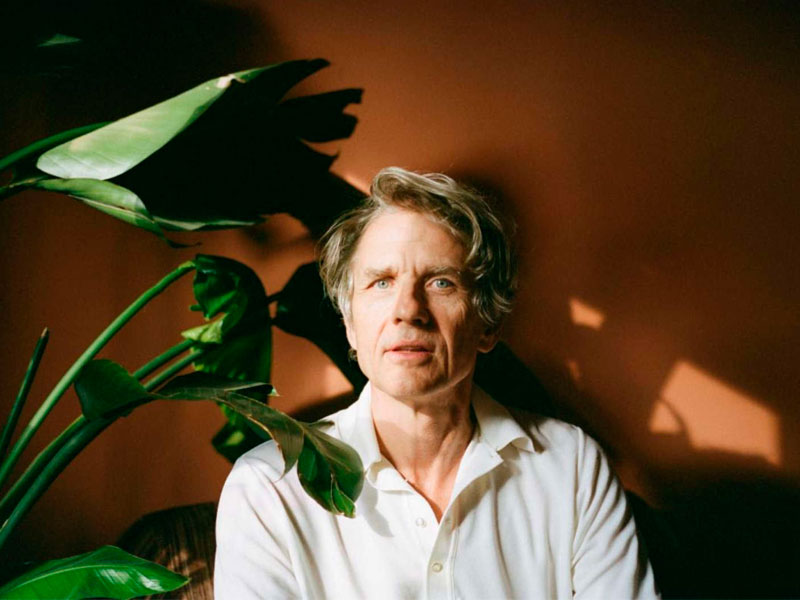
Hola, soy Marco Yanayaco desde En lima cultural para el espacio de El Infierno musical y en esta oportunidad nos encontramos con Dean Wareham, una leyenda viva del indie rock con quien tendremos el agrado de conversar.
Hola, Dean, esta es tu primera actuación en Perú. ¿Cómo ves las perspectivas de tus próximos conciertos en latinoamérica?
Bueno, esto ha sido toda una sorpresa. Quiero decir, probablemente la gente de Lima nunca pensó que me oiría cantar estas canciones allí. Creo que tampoco pensé que me invitarían a actuar en Perú. Así que estoy deseando que llegue el momento. Estoy muy emocionado. Me han dicho que las entradas se están vendiendo bien. Así que habrá gente allí.
En 2025, sacaste tu último álbum en solitario “The Price of Loving Me” ¿Cómo crees que ha evolucionado tu música desde que empezaste hasta ahora?
Bueno, creo que en el nuevo álbum he aprendido más acordes. Digámoslo así. Creo que cuando empecé con Galaxy 500 no había tomado muchas clases. No parecía que importara mucho. Estaba bien, pero solo sabía tocar unos pocos acordes. Hoy en día, con YouTube y todo eso, hay muchas cosas que te ayudan a aprender más. Si hay una canción que te gusta, puedes aprender los acordes y otros más complicados. Eso no significa que sea mejor. Quiero decir, hay quien dice que lo mejor que haces es lo que haces cuando eres muy joven. En el rock and roll, eso suele ser cierto. Es lo mejor. Pero no siempre es así. Algunos artistas dan lo mejor de sí mismos más adelante en la vida.
Pensando en estos años, ¿Cómo ha sido la experiencia de tocar con Britta Philips y Roger Brogan?
Obviamente, yo he tocado con Britta. Ella es mi esposa. Llevo tocando con ella desde el año 2000. Creo que todos y cada uno de los conciertos que he dado desde entonces han sido con Britta. Y eso es genial. Es una música excelente. Roger también lo es; hemos hecho una especie de repertorio de Galaxy 500. Así que lo llevamos a Nueva Zelanda el año pasado. Probablemente hemos tocado estas canciones más veces que los propios Galaxy 500. Nos hemos vuelto buenos en ello.

Aquí en Perú, hay un público que escucha y consume mucha música indie y música de los 90. Cuando se anunció que venías, fue toda una sorpresa. Pero también me llamó la atención la sala, ya que tiene un aforo bastante reducido. ¿Prefieres los conciertos más íntimos?
Me gustan las salas con capacidad para unas 500 personas o menos. A veces está bien tener una sala más grande con un escenario más grande. Y si tocas muy fuerte, eso está bien. Pero en cuanto al público, creo que siempre que haya un escenario elevado, la gente puede mirar hacia arriba. Pero creo que 500 es un buen tamaño para que todo el mundo en la sala pueda ver y oír bien, porque cuando empiezas y llegas a tener como 2000 personas, entonces estás cada vez más lejos. Y yo, simplemente, voy donde me dicen que vaya. No sé cuál es el aforo de este club. ¿Crees que es solo para unos cientos de personas?
Sin duda. Recuerdo que pensé: “Este sitio es pequeño”, pero cuando tuve la oportunidad de entrevistar a otros artistas, algunos me dijeron que prefieren los grupos más reducidos porque la sensación es diferente.
Sí, la sensación es diferente. La verdad es que no suelo tocar en recintos grandes. Como mucho, quizá con Luna, cuando tocamos en Nueva York, pudimos actuar ante un público de 2000 personas, pero estás muy lejos de la gente. No conectamos tan bien, eso es todo lo que puedo decir.
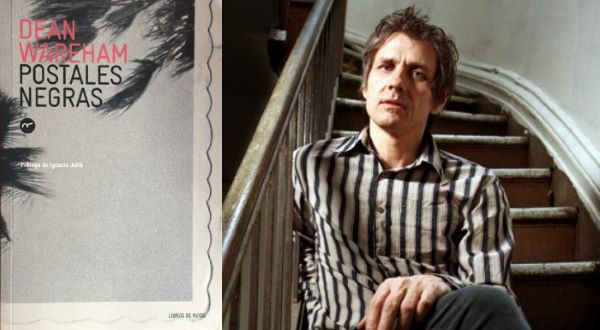
Otra cosa que he leído es que en 2008 publicaste tu autobiografía, Black Postcards, donde hablas de que te sientes más como un trabajador del rock que como una estrella del rock. ¿Cómo fue el proceso de escribir ese libro?
Es muy difícil escribir un libro. Ya no te puedes esconder detrás de la poesía y las letras. Tienes que expresarte con claridad y contar historias. Lo más difícil fue simplemente ponerme a trabajar en ello. Es simplemente sentarse frente al ordenador. He oído a otros escritores decir esto, los escritores de verdad también lo dicen, que cuando tienen un nuevo proyecto les da pánico empezar a trabajar, y piensan: “Oh, no, no quiero hacerlo”. Y luego, cuando te metes de lleno en ello, llega un momento en el que te despiertas por la mañana y piensas: “Quiero hacerlo”. Es como si quisieras volver a ello. Así que es más o menos lo mismo, quizá con escribir una canción, quieres meterte tanto en la canción que piensas en ella todo el tiempo. En fin, fue más difícil que escribir canciones.
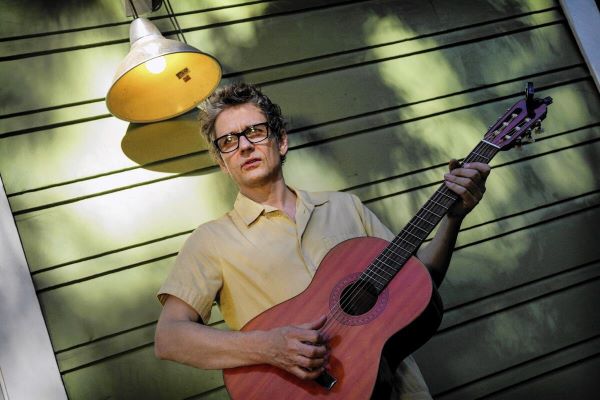
Como alguien a quien no solo le gusta escuchar música, sino también leer sobre ella, me fascina todo lo que escriben los músicos o los críticos. En este caso, cuando veo “Black Postcards” y cualquier otra autobiografía, recuerdo que intentaste diferenciar tu libro de otros como, por ejemplo, el de Keith Richards. Y mencionaste que querías hablar de tu trabajo y de las dificultades.
Sí, quiero hablar de las dificultades porque una de las mayores diferencias entre mi libro y muchos otros es que, de hecho, lo escribí yo mismo. Me senté y lo escribí. Creo que muchos de esos libros son “según lo contado por”, es decir, Keith Richards no escribió su libro. Simplemente se sentó y habló con alguien. Pero yo me dije: “Supongo que me senté a escribir una visión algo honesta”. Así que no solo para sentarme ahí y alardear diciendo: “Oh, hice esto, inventé aquello y lo otro”. No, yo quería mostrar cómo fue mi vida en el camino. A veces emocionante y otras humillante. Pero dicho esto, en realidad no hago cosas humillantes. No, creo que todo esto es divertido. Este viaje a Sudamérica también será muy divertido.
He visto que en otras entrevistas citas o mencionas a autores. ¿Tienes algún autor favorito?
Bueno, últimamente he estado leyendo mucho a Julian Barnes. Es un novelista y crítico inglés que me gusta. Geoff Dyer es otro. Ben Lerner, no sé si has oído hablar de él, es un poeta y novelista estadounidense. Acaba de publicar una nueva novela. Bertolt Brecht tuvo una gran influencia en mi vida, en mi desarrollo, sobre todo cuando era más joven. Supongo que pasas por etapas, descubres a un escritor y lo lees todo. Don DeLillo. He leído todo lo de Don DeLillo. También he leído todo lo de Paul Auster.
Recuerdo que mencionaste a James Joyce en otra entrevista. Déjame contarte que aquí en Perú tenemos una comunidad muy grande dedicada a los poetas, especialmente a la poesía. Es nuestra especialidad aquí. Si pides una recomendación, el primer autor que probablemente te mencionan es un poeta. Especialmente nuestro mayor poeta.
¿Cómo se llama?
César Vallejo
César Vallejo. Creo que conozco ese nombre. Puedo darle una oportunidad. Gracias. Lo triste es que cuando lees poesía traducida, no es lo mismo. Y yo no hablo español, por desgracia. Sé algo de alemán y algo de francés, pero nada de español.
Aquí en Latinoamérica hay una sólida base de indie rock que domina entre las bandas jóvenes, que siempre están intentando explorar nuevas direcciones. Según tu experiencia, ¿cómo ves el panorama musical actual y las nuevas bandas de hoy en día?
Creo que están pasando un montón de cosas geniales. Siempre las hay, y creo que cuando oyes a la gente decir: “Oh, hoy en día no hay nada bueno”, es como decir: “No, es que eres viejo y no prestas atención ni lo buscas, porque hay buena música”. También hay mucha música horrible. La mayor parte de la música es horrible. Y la mayoría de las cosas no son de mi gusto, y la gente dice: “Oh, esto es genial”. Me gusta algo de música pop comercial, pero luego hay mucha música pop basura, y siempre nos dicen que es buena y que es importante, y yo pienso: “No, no es buena”. Pero parece que siempre hay jóvenes dispuestos a coger la guitarra y el teclado y montar una banda.
¿Y tienes alguna recomendación de discos o artistas?
Oh, sí. Un grupo que me gusta se llama En Attendant Ana. Se lo he dicho a todo el mundo. Es un grupo de París. Me recuerdan un poco a Stereolab. Peel Dream Magazine. Ese es otro grupo que me gusta. Dummy. De hecho, todos esos grupos suenan un poco como Stereolab. Jessica Pratt y Cate Le Bon. Esos son algunos.
Te confieso que ha sido grandioso cuando has dicho que no todos los artistas nuevos son buenos, porque a veces la música es una porquería.
Es decir, es algo que pasa siempre. Con el cine pasa lo mismo. Tienes que ver esto. Y es curioso con el cine, porque si leo un libro y no me gusta el autor, no leería sus otros libros. Pero con el cine, siempre piensas: “Prueba con esta”. No, es que simplemente no me gusta. Creo que con la música, todo se reduce a la voz, al carácter del cantante. Creo que a menudo, o a veces, la música está bien. Y entonces es como: ¿conectas con el cantante o no? ¿Esa voz te molesta o te gusta? Y oye, mira, mucha gente odia mi voz, pero no pasa nada.
Recuerdo que mencionaste en otra entrevista que cuando te uniste a Galaxy 500, no sabías cantar, pero lo intentabas. Y quizá por eso —o tal vez esa sea la razón— estas canciones tienen un toque tan especial. La atmósfera, las voces… Se nota mucho la personalidad en todas ellas.
Creo que, si subes el volumen de la voz, tiene que ser lo suficientemente alto como para que la gente la oiga. Y entonces pueden meterse en tu cabeza y oír casi lo que estás pensando, lo cual puede ser bueno o puede ser malo. Pero canto bien. No tengo problemas para dar las notas ni nada por el estilo. Puedo cantar alto y puedo cantar bajo, así que puedo hacer cosas. No soy un cantante profesional, pero hay muchos por ahí. Es solo que, como dijo una vez Dean Martin, odio a los tipos que cantan bien.

Estoy de acuerdo con eso. Cuando leo, por ejemplo, mangas o cómics, no me gusta que el dibujo sea perfecto. Siempre intento fijarme en la personalidad del artista, en lo que le distingue de los demás. No busco la perfección. Irónicamente, busco las imperfecciones. Lo mismo ocurre con la música; en mi caso, me encantan las peculiaridades y las rarezas.
Bueno, depende de lo que sea. Supongo que con algunas canciones pop, quizá sí que se busque la perfección. Pero sin duda una de las cosas que he aprendido trabajando con Kramer todos estos años es que, si cometes un error, simplemente déjalo, deja el error, deja ese pequeño error ahí. De hecho, es un momento interesante en la canción cuando alguien toca una nota que no es la correcta.
¿Quiero preguntarte por tus planes de futuro tras los conciertos aquí en Sudamérica?
Volveré a casa. No hay mucho más. El verano parece tranquilo. Estaré en esta habitación intentando escribir algunas canciones. Quizá para otro disco de Dean y Britta. Creo que eso es lo siguiente que vamos a hacer. Es curioso. Me gustaron mucho los dos últimos álbumes que hice y grabé. Y luego hay una voz en tu cabeza que viene y te dice: “Ahora tienes que volver a hacerlo”. Así que ahora la voz sigue diciéndome que lo haga de nuevo. No sé cuánto tiempo durará eso. Quizás un día se vaya. Quiero decir, a mi edad, sin duda llegas a un punto en el que empiezas a pensar: “¿Y si este fuera mi último disco?”. No sé cuántos más seguiré haciendo. Así que más vale que sea bueno.
Por último, ¿tienes algún mensaje para tus fans, especialmente aquí en Sudamérica?
Supongo que debería darles las gracias por asistir. Sin duda, eso es lo único que digo siempre a medida que voy haciéndome mayor. Siento que la gente podría quedarse en casa viendo la tele, pero ha salido a ver el concierto y eso es genial. No sé. Simplemente estoy cada vez más, más y más agradecido de que la gente haga ese esfuerzo. En este mundo en el que vivimos, donde hay tantas cosas compitiendo por nuestra atención todo el tiempo. Muchas gracias.
INTERVIEW WITH DEAN WAREHAM
Hi, Dean, this is your first performance in Peru. How do you see the outlook for your upcoming shows in America?
Well, this one is a big surprise. I mean, probably people in Lima never thought they would hear me sing these songs there. I don't think I ever thought I would get invited to play Peru. So I can't wait. I'm very excited. I am told that the show is selling well. So there will be people there.
In 2025, you released your latest solo album, The Price of Loving Me. How do you feel your music has evolved from when you started until now?
Well, I think that the new album has, I've learned more chords. Let's put it that way. I think when I started out with Galaxy 500, I didn't, I hadn't taken very many lessons. It didn't really seem to, it doesn't matter. It was good enough, but I could just play a few chords. These days, there's like YouTube, everything can help you to like to learn more. If there's a song you like, to learn the chords and more complicated chords. That doesn't mean it's any better. I mean, some people say the best thing you do is the stuff you do when you're very young. So in rock and roll, that's generally true. Is that the best thing. But it does not always happen. Some artists do their best work later in life.
Thinking about these years, what has it been like to play with Britta Philips and Roger Brogan?
Obviously I've been playing with Britta. Britta is my wife. I've been playing with her since the year 2000. I think every single show I played since then has been with Britta. And that's great. She's an excellent musician. Roger too is, we've done like a set of Galaxy 500. So we took it to New Zealand last year. So we've probably played these songs more than Galaxy 500 did. We got good at it.
Here in Peru, there's an audience that listens to and consumes a lot of indie music and music from the 90s. When it was announced that you were coming, it was really a surprise. But also caught my attention was the venue, since it has a fairly small capacity. Do you have a preference for more intimate concerts?
I like rooms that maybe are like 500 people or less. Sometimes it's nice to have a bigger room on a bigger stage. And if you're really loud, that's kind of nice. But in terms of the audience, I think as long as it's got a raised stage, people can be looking up. But I think 500 is like a good size where everyone in the room can see and hear well because when you start and when it gets to be like 2000 people, then you're further and further away. And I would, I just, I go where they tell me to go. I don't know what the capacity of this club is. Do you think it's just a few hundred people?
Definitely. I remember thinking “this place is small”, but when I had the chance to interview another artist, some of them told me they prefer smaller groups because the feeling is different.
The feeling is different. I don't really play a lot of big. The most, maybe with Luna, when we play in New York City, we can play to a room that's 2000 people, but then you're, you're a long way away from people. You don't connect as well, but that's all I can say.
Another thing that I can read is that in 2008, you published your autobiography, Black Postcards, where you talk about how you feel more like a rock worker than a rock star. What was the process of writing that book like?
It's very difficult to write a book. No more hiding behind poetry and lyrics. You have to express yourself clearly and tell stories. The hardest thing was just getting to work on it. It's just sitting down at the computer. I've heard other writers say this, real writers say this too, that they, as they have got a new project and they just dread starting to work, they're like, oh no, I don't want to do it. And then, then you get into it and then it gets to a point where you wake up in the morning and you're like, I want to do it. Like, I want to get back into it. So it's kind of the same, maybe with writing a song, you want to get so into the song that you're thinking about it all the time. Anyway, it was more difficult than writing songs.
As someone who enjoys not only listening to music, but also reading about it. I find everything written by musicians or critics fascinating. In this case, when I see Black Postcards and any other autobiography. I remember you tried to differentiate your book from others, for example, Keith Richards. And you mentioned that you want to talk about your work and the difficulties.
Yeah, I want to talk about difficulties because one of the biggest differences between my book and a lot of books is that I actually wrote it myself. I sat down there and wrote it. I think a lot of these books are as told to, I mean Keith Richards didn't write his book. He just sat there and talked to somebody. But I said, I guess I sat down to write a somewhat honest take. So not to just sit there and boast like, oh, I did this and I invented this and I did that. But no, I wanted to show what life was like on the road. And at times exhilarating and sometimes humiliating. But that said, I don't really do humiliating things. No, I think this is all fun. This trip to South America will be all fun too.
I see in your other interviews, you quote or mention authors. Do you have any favorite author/s?
Well, lately I've been reading a lot of Julian Burns. He's an English novelist and critic I like. Jeff Dyer is another one. Ben Lerner, I don't know if you've heard of him, is an American poet and novelist. He has a new novel out. Bertolt Brecht was a huge influence on my life, my development, more as a younger man. I guess you go through periods, you discover a writer and you read everything. Don DeLillo. I read everything by Don DeLillo. I read everything by Paul Auster too.
I remember you mentioned James Joyce in another interview. But let me tell you that here in Peru we have a very large community dedicated to poets, especially to poetry. It’s our specialty here in Peru. If you ask for a recommendation, the first author people will likely mention is a poet. Especially our greatest poet.
What is his name?
Cesar Vallejo
Cesar Vallejo. I think I know that name. I can give it a try. Thank you. The sad thing is when you're reading poetry in translation, it's not the same. And I don't speak Spanish, unfortunately. I have some German and some French, but no Spanish.
Here in Latin America, there's a strong base for indie rock that dominates young bands, especially, who are always trying to branch out in different directions. From your experience, how do you view the current music scene and the new bands today?
I think there's all kinds of great stuff happening. There always is, and I think when you hear people saying, oh, there's nothing good today, it's just like, no, it's just like you're old and you're not paying attention and you're not seeking it out, because there's good music. There's a lot of terrible music too. Most music is terrible. And most things are not to my taste, and people are like, oh, this is great. I like some big pop music, but then there's a lot of crap pop music, and we're always being told it's good and it's important, and I'm just like, no, it's not good. But it seems like there are always young people ready to pick up guitars and keyboards and start a band.
And do you have any recommendations for albums or artists?
Oh yeah. A band I like called En Attendant. I've said this to everybody. That's a band from Paris. They kind of remind me of Stereolab a little bit. Peel Dream Magazine. That's another band I like. Dummy. In fact, all of those bands sound a little bit like Stereolab. Jessica Pratt and Cate Le bon. Anyway, that's a few.
Well, let me confess that I like it when you mentioned that not all the new artists are good because sometimes the music is trash.
I mean, it's a constant. It's with film, too. You have to see this. And it's interesting with film, because if I read a book and I don't like the writer, I wouldn't read his other books. But with film, you're always like, try this one. No, I just don't like him. I think with music, it comes down to the voice, the character of the singer. I think often or sometimes the music's fine. And then it's like, do you connect with the singer or not. Does that voice rub you the wrong way or does it rub you the right way? And hey, look, a lot of people hate my voice, but that's okay.
I remember you mentioned in another interview that when you first joined Galaxy 500, you didn’t know how to sing, but you tried. And maybe that’s why—or perhaps that’s the reason—these songs have such a special touch. The atmosphere, the vocals… You can really feel a strong sense of personality in all of them.
I think if you turn the vocal up louder, it has to be loud enough that people can hear it. And then they can get inside your brain and hear what you're thinking almost, which can be good or it can be bad. But I sing okay. I don't have problems like hitting notes or anything like that. I can sing high and I can sing low, so I can do things. I'm not a trained singer, but there are plenty of those out there. There's just, as Dean Martin once said, I hate guys who sing good.
I agree with that. When I read, for example, manga or comics. I don't like when the artwork is perfect. I always try to look at the artist’s personality -what sets them apart from the others. I don't want perfection. Ironically I want imperfections. The same goes in music, in my case, I love the particularities and rarities.
Well, it depends what it is. I guess with some pop songs, maybe you want perfection. But there's certainly one of the things I learned working with Kramer all these years is if you make a mistake, just leave it, leave the mistake, leave that little mistake in there. It's actually an interesting moment in the song when somebody hits a note that's not the right one.
I want to ask you about your future plans after the shows here in South America?
I'll come home. It's not much. The summer looks quiet. I'll be in this room trying to write some songs. Maybe for another Dean and Britta record. I think that's the next thing we're going to do. It's funny. I really liked the last two albums I did. And then there's a voice in your head that comes and says, now you have to go do it again. So now the voice is still telling me to do it again. I don't know how long that will last for. Maybe one day he'll leave. I mean, it's certainly at my age, you get to the point where you start thinking about what, which maybe this will be my last record. I don't know how many I'll keep making. So it better be good.
Finally, do you have a message for your fans, especially here in South America?
I guess I should say thank you for coming. That's certainly the only thing I'm always saying as I get older. I just feel like people could stay home and watch TV, but they have come out to see the music and that's pretty cool. I don't know. I'm just more, more, more and more grateful that people make that effort. In this world we live in where there's so many things competing for our attention all the time. Thank you so much.


Añadir nuevo comentario